






Craft Tips by Jeff
 Embrace the Editing Process
Edit your work. Everyone knows this, yet after working on a novel for years, it’s hard to re-read it dozens of times. The urge to send a book to your publisher or self-publish it can be strong, but please resist the impulse.
Manuscripts should undergo multiple levels of editing. A structural edit evaluates story arc, plot holes, character development, and other broader issues. A line edit elevates language, improves prose, and makes stylistic changes. A copy edit focuses on grammar, spelling, consistency, and other rule-following guidelines. The proofread is the final check for mistakes, from formatting to missing pages.
My editing iterations depend on my publication schedule and the complexities of each book, but I try to accomplish the following editing passes before I send a manuscript to a publisher. I confirm the plot is in four acts and includes most of the standard 15 story beats. I individually evaluate each POV character for character arc and language. Then I conduct a copy and line edit at the same time. Printing the manuscript and editing on white paper also makes mistakes jump off the page. I read the manuscript aloud to hear the music of the words, but if I’m short on time, I just speak the dialogue.
Software like ProWritingAid and AutoCrit can identify problems like overused words, repeated phrases, sentence length, etc. I run each of ProWritingAid’s 15 reports and always find additional problems. I don’t recommend accepting all the suggestions, so use your best judgment.
It’s difficult to find errors in our own work, because our minds read what it intended, not what is on the page. If you’re indie-published, please hire a human editor. Be aware that while editing is essential, it is possible to over-edit your story. If you endlessly tinker with your work, it may be an avoidance technique because you’re worried about launching the book into the world. Beta readers can let you know when your manuscript is ready for public consumption.
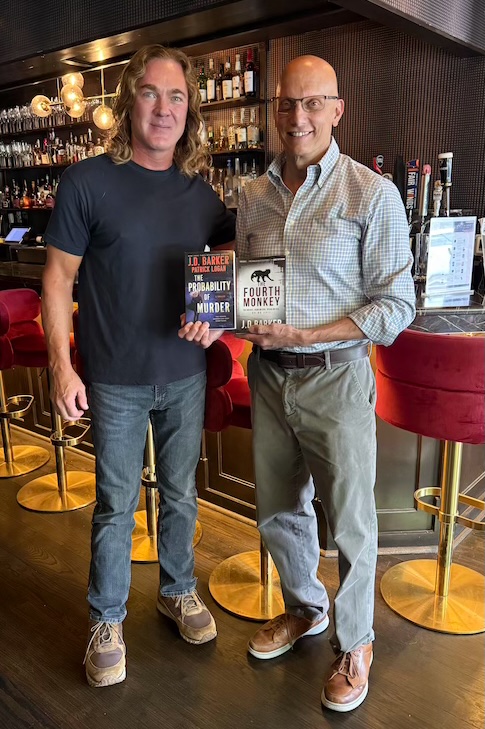
J.D. Barker and Jeffrey James Higgins
Study the Craft of Writing
I counsel writers at Elaine’s, mostly because I’ve made so many mistakes, and each month I offer one craft tip to help writers avoid pitfalls.
This month’s tip focuses on the importance of studying the craft of writing. Storytelling is an art, and it takes time and effort to improve. It’s called a “writing practice” because you never stop learning new techniques and finding new ways to express stories. Writing is hard, but the good news is, resources exist to help you.
Read everything that succeeds in your genre, then go back and dissect bestsellers to determine why readers enjoyed them. Reading bad writing can help too, because it’s easier to spot mistakes in other people’s work than in your own. Read widely, because you can find helpful techniques in other genres, and nonfiction can inspire story ideas.
When I first started writing, I read 30 craft books, and by now, I’ve probably read over one hundred. Here are seve of my favorites:
- The Writer’s Journey, by Christopher Vogler.
- The First Five Pages, by Noah Lukeman.
- Save The Cat Writes a Novel, by Jessica Brody
- Story, by Robert McKee
- Writing the Breakout Novel, by Donald Maass
- The Writing Life, by Annie Dillard
- On Writing, by Stephen King.
I recommend listening to writing podcasts and visiting literary websites.
My favorite podcasts (other than the Elaine’s Literary Salon podcast) are Writers Ink, Writing Excuses, and The Creative Penn Podcast.
Helpful websites include JaneFriedman.com (business advice), writerbeware.com (scam alerts), and AuthorsGuild.org (advocacy and community).
If you want to be a serious author, approach writing as a profession and never stop learning.
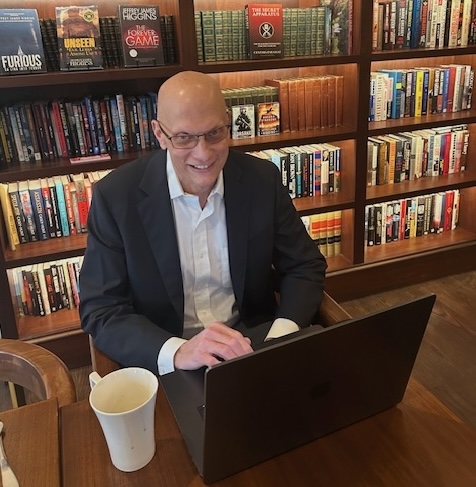
Jeffrey James Higgins writes at least 1,000 words each day on his newest novel
Write Every Day
One factor differentiates writers who succeed from those who don’t. They write. Developing a writing practice is crucial to producing good writing. Aspiring writers often tell me they plan to write “when” which means they will probably never begin or if they do they won’t finish.
There are 24 hours in a day and if you can’t find at least 30 minutes to write then writing isn’t a priority for you. Writing one page (250 words) per day equals a first draft in one year. Find time early in the morning during your lunch hour or late at night. Carry a notebook with you write on your phone or dictate in free moments. Every word counts and something is better than nothing.
Writing every day allows your story to live in your subconscious. You’ll wake up with answers to plot problems and think of cool ideas when you’re in the shower. Writing sporadically requires time to reengage with your characters slowing the process.
The equivalent of Malcolm Gladwell’s 10000 hours to achieve mastery in any subject equates to roughly one million words. The more you write the better you’ll get assuming you have focused practice.
Study the craft and business of writing by listening to podcasts reading books and taking classes but none of that is a substitute for writing. No more excuses. Start today.

THIS WEEK AT ELAINE’S
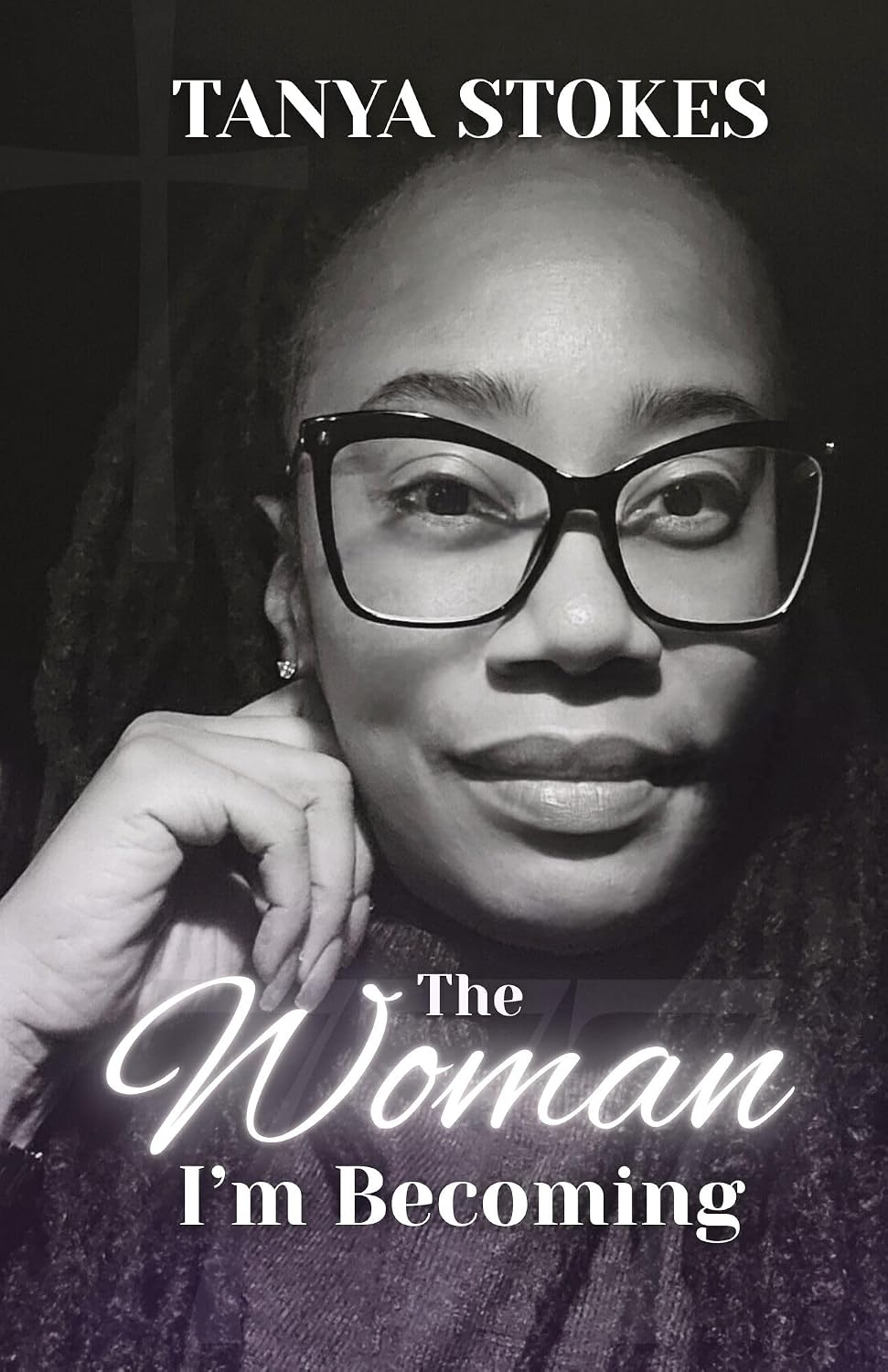
September 27, noon-3pm: Tanya Stokes is bringing “The Woman I’m Becoming” to Elaine’s — Your transformation starts here!
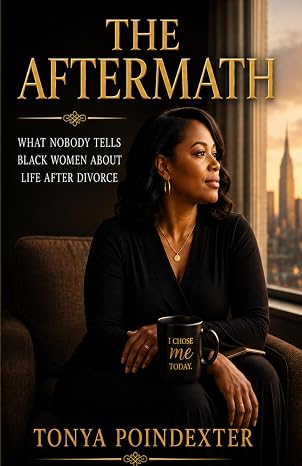
October 10, noon-3pm: Tonya Poindexter gets real with her new book — The Aftermath — What Nobody Tells Black Women About Life After Divorce
JOIN US FOR OUR FIRST INTERVIEW: ELAINE’S ART SALON
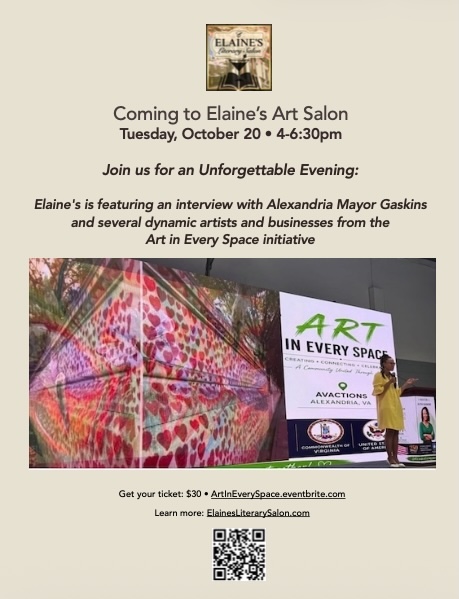
You are invited: Oct. 20, 4-6:30 — Elaine’s Art Salon featuring Alexandria Mayor Alyia Gaskins and several dynamic artists and businesses from the Art in Every Space Initiative. Tickets for the event, including a Mezza buffet and soft drinks, just $30.
ELAINE’S LITERARY SALON IS IN THE NEWS
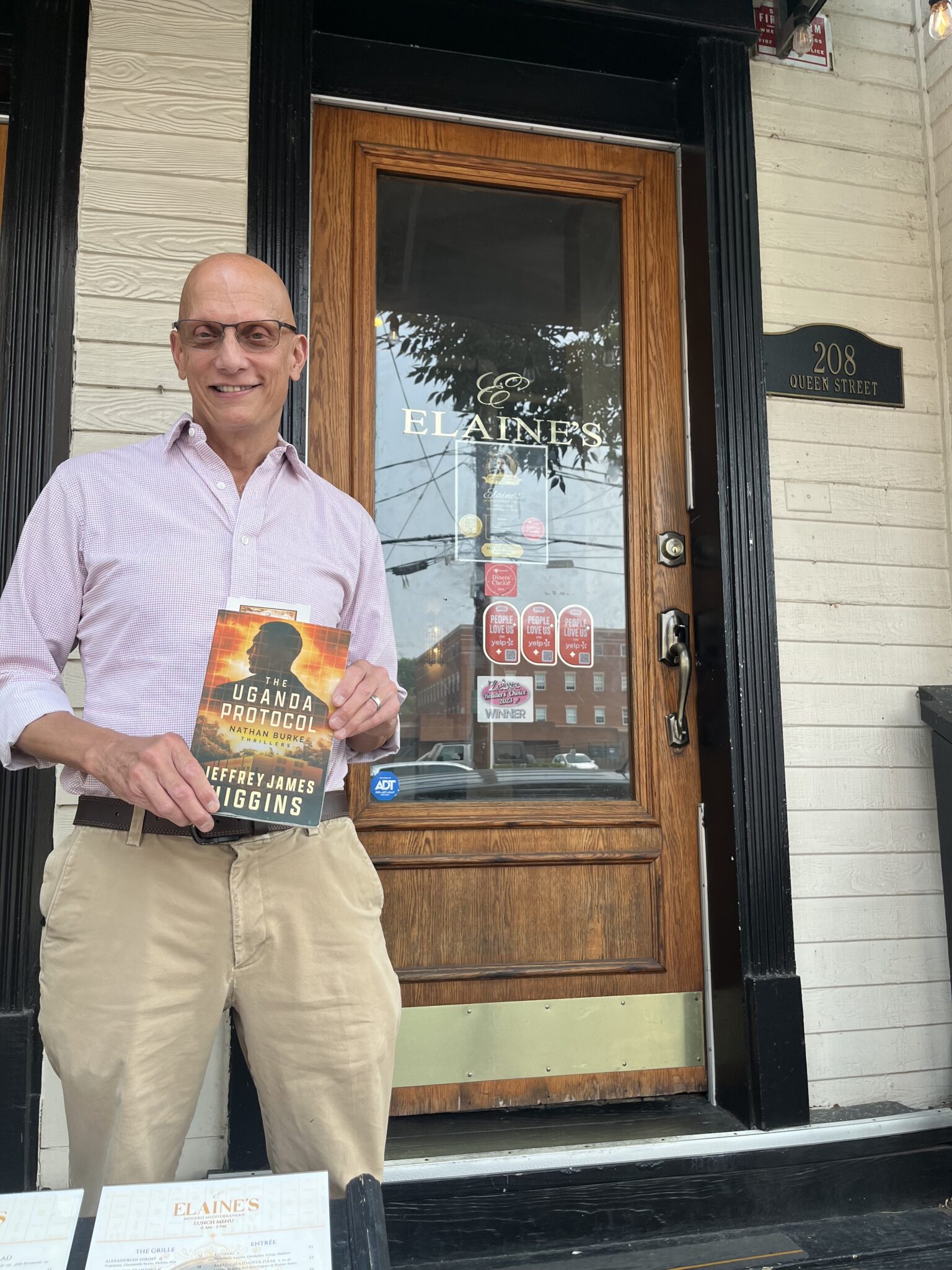
September 7 in The Zebra: “Alexandria Writer Jeffrey Higgins Warns Fellow Authors about AI Ideas — Owner of Elaine’s and its Literary Salon Urges Staying Authentically Human”
August 15 in The Zebra: J.D. Barker Shares Writing Secrets For A Bestseller at Elaine’s Literary Salon, by reporter Lisa-Helene Lawson
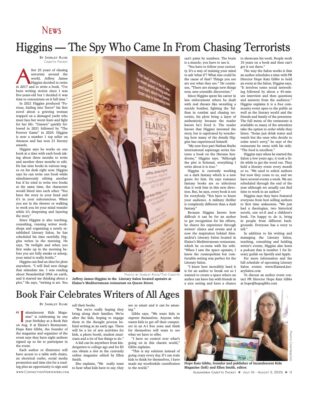
August 5 in the Alexandria Gazette Packet: Many thanks to reporter Shirley Ruhe for her insightful article about Jeff Higgins’ celebrated career that took him from awarded DEA agent to bestselling thriller novelist and restaurateur. She also shone a light on InkandescentKids.com, a project that teaches kids to think critically like a reporter—founded by Elaine’s PR director, Hope Katz Gibbs (pictured here with magazine editor Ellen Smith)
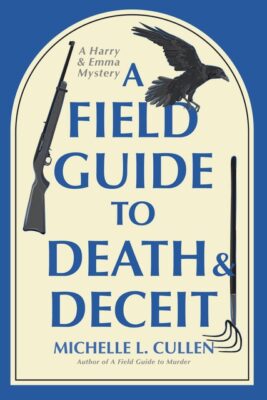 Michelle Cullen is launching her second book this year!Tuesday, September 22, 2026Coming soon to the Elaine’s Literary Salon show
 Ep73: What’s next for the 28-year-old ensemble QuinTango? Founder Joan Singer tells the storyThursday, September 24, 2026In-person live event6-9pm
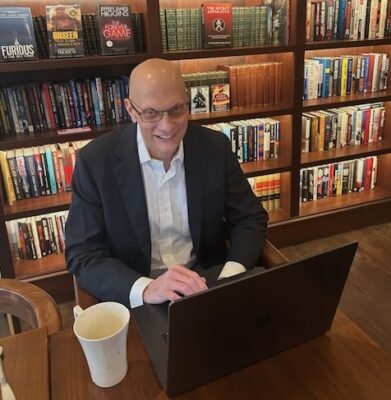 Writers Club members: Mark your calendar for our monthly write-in at Elaine’sSaturday, September 26, 2026In-person live event12-3pm
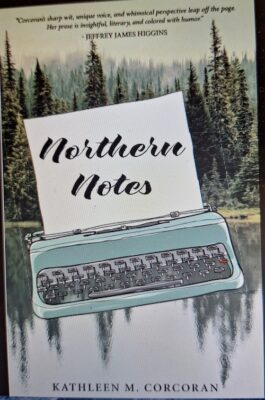 Kathleen Corcoran is bringing to Elaine’s her new book of essays, “Northern Notes”NorthernNotes.Eventbrite.comSunday, September 27, 2026In-person live event12-3pm
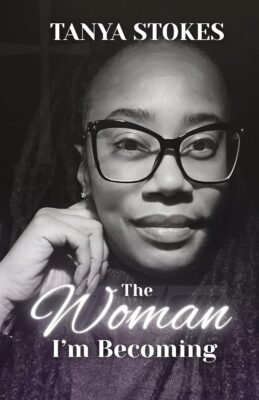 Tanya Stokes is bringing “The Woman I’m Becoming” to Elaine’s — Your transformation starts here!TanyaStokesSept27.eventbrite.comWednesday, September 30, 2026In-person live event6-9pm
 Happy Hour for Writers — the last Wednesday of the month: Join Sisters in Crime Chessie Chapter, the Authors Guild, Mystery Writers of America, Northern Virginia Writer’s Club, Friends to Lovers Bookstore — and more!Thursday, October 01, 2026In-person live event6-9pm
 Join us Oct. 1 for an evening of Bubbles and Bordeaux varietals: 3 full courses + 3 wines = delicious!$139 (includes tax + tip) • Reserve your seat: Oct1Bubbles.eventbrite.comTuesday, October 06, 2026Coming soon to the Elaine’s Literary Salon show
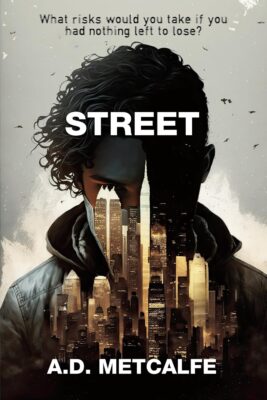 A.D. Metcalfe, VP of the Cape Cod Writers Center and producer for Books and the World, gives us Johnny Alvarez, a precocious young runaway, who knows decay and lawlessness offer camouflage and opportunityWednesday, October 07, 2026In-person live event6-9pm
 Zita Ballinger Fletcher, an award-winning author and military historian, bring us “Monty’s Flying Fortress”MontysFlyingFortress.Eventbrite.comSaturday, October 10, 2026In-person live event12-3pm
 Tonya Poindexter gets real with her new book, “The Aftermath — What Nobody Tells Black Women About Life After Divorce”TonyaPoindexter.eventbrite.comSunday, October 11, 2026In-person live event10am to 4pm
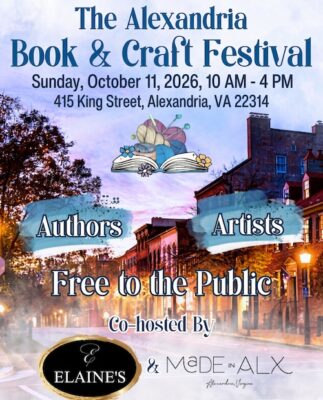 Join us for the second annual Alexandria Book & Craft Festival: Sunday, Oct. 11, 2026 • 10am to 4pmTuesday, October 13, 2026Coming soon to the Elaine’s Literary Salon show
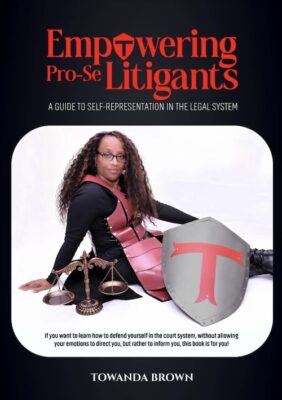 Demystify the often-intimidating world of pro-se litigation with Towanda Brown’s “Empowering Pro-Se Litigants,” a groundbreaking guide that illuminates the path of self-representation in legal mattersThursday, October 15, 2026In-person live event6-9pm
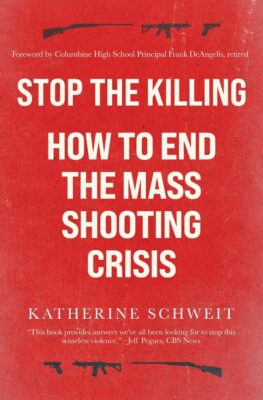 Author and former FBI Special Agent executive Katherine Schweit helps us learn how to Stop the Killing, talk to the dead, understand the second amendment, and talk about guns with anyonekatherineschweit.eventbrite.comThursday, October 15, 2026In-person live event11:30am to 1pm
 Private Event: West Point Society of DC is bringing three authors to Elaine’s Literary SalonOct15WestPointSocietDC.eventbrite.comTuesday, October 20, 2026In-person live event4pm to 6:30pm
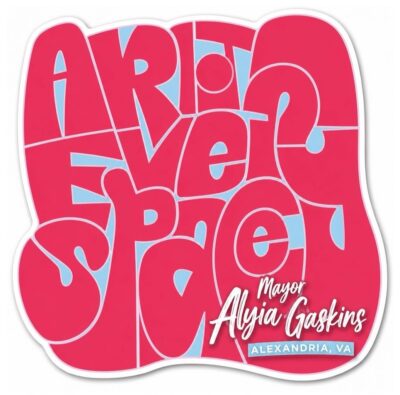 Join us for an unforgettable evening: Elaine’s Art Salon is hosting an interview with Mayor Gaskins and several dynamic artists and businesses from the Art in Every Space Initiative$30 • ArtInEverySpace.eventbrite.comMonday, October 26, 2026In-person live event9pm to midnight
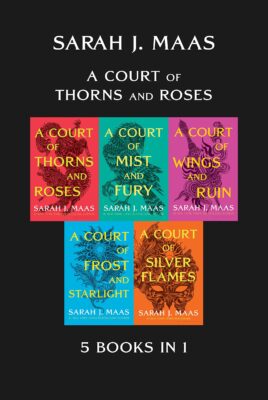 Sold Out: ACOTAR 6 Midnight Release Party — Friends to Lovers bookstoreWednesday, October 28, 2026In-person live event6-9pm
 Happy Hour for Writers — the last Wednesday of the month: Join Sisters in Crime Chessie Chapter, the Authors Guild, Mystery Writers of America, Northern Virginia Writer’s Club, Friends to Lovers Bookstore — and more!Thursday, October 29, 2026In-person live event6-9pm
 Save the Date: Join us for a Halloween to celebrate the new bookstore Hemlock & Hearth Thursday, November 05, 2026In-person live event6-9pm
 Coming in November: Join us for a flight of 5 reds paired with 3 dishes from Elaine’s award-winning menu. Please wear red!Nov5redwinedinner.eventbrite.comSaturday, November 07, 2026In-person live event12-3pm
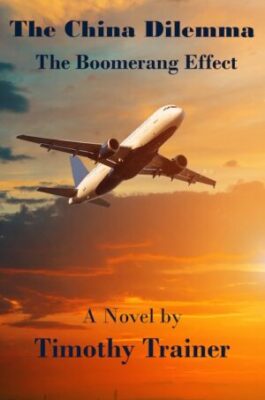 You are going to love book 3 in the series by IP attorney and author Timothy Trainer: “The China Dilemma”Nov7TheChinaDilemma.eventbrite.comSunday, November 15, 2026In-person live event12-3pm
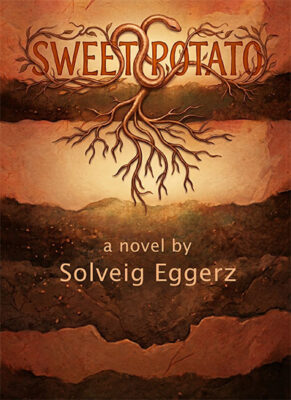 A native of Iceland, storyteller and teacher Solveig Eggerz brings us her latest novel, “Sweet Potato”Thursday, November 19, 2026In-person live event6-9pm
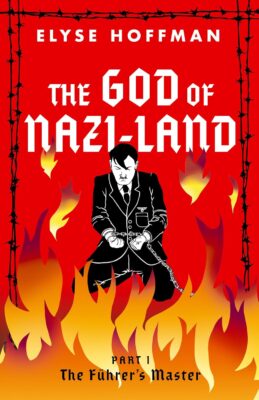 Award-winning author Elyse Hoffman strives to tell historical tales with new twists, including her latest title, “The God of Nazi-Land Part I”ElyseHoffman.eventbrite.com